
14 Famous Gangster Names—and the Cues That Keep Them Straight
Learn 14 famous gangster names, from Al Capone to Tony Soprano, with nicknames, quick recall cues and a clear split between history and fiction.
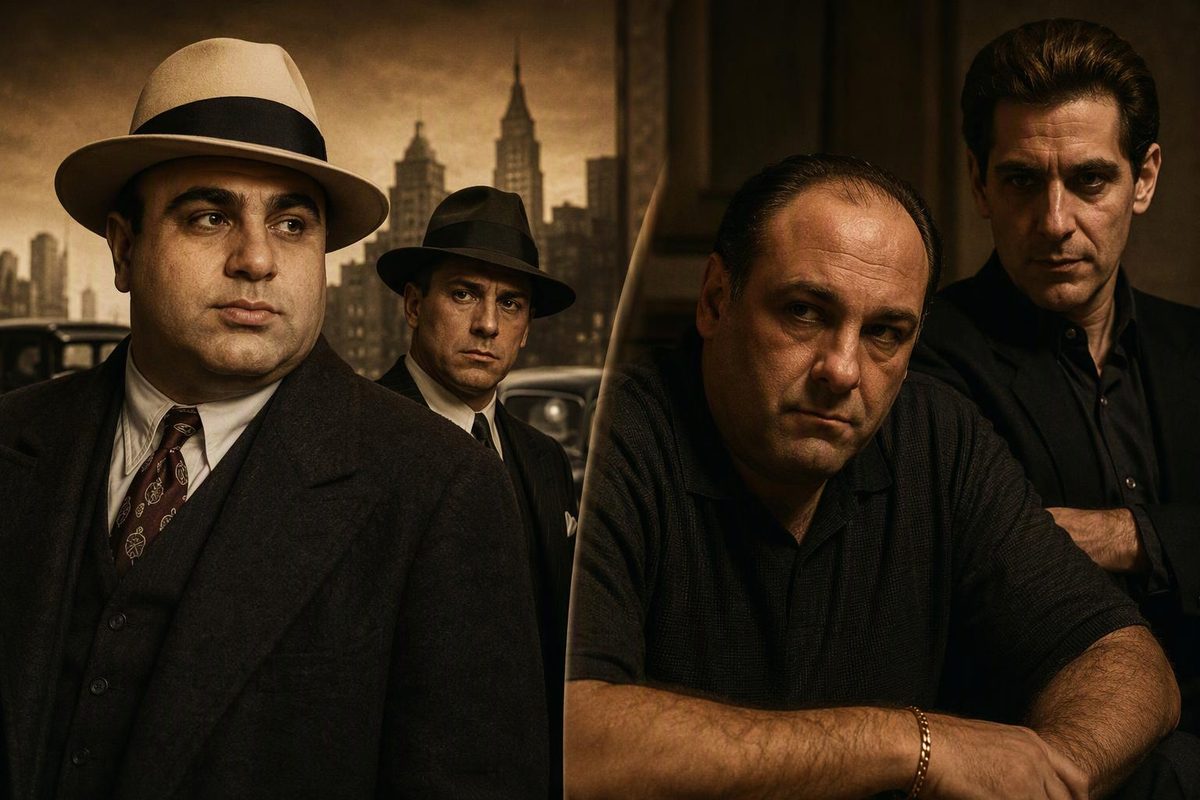
Al Capone, Lucky Luciano, Meyer Lansky, Bugsy Siegel and John Gotti are useful starting points for a list of famous gangster names. Add John Dillinger and Bonnie and Clyde for Depression-era outlaws; keep Tony Soprano and the Corleones in a separate fictional category.
This is a US-focused recall list, not a worldwide fame ranking. “Gangster” is used broadly here: Mafia bosses, other organized-crime figures and roaming robbery gangs were not all part of the same organization. Their notoriety also reflects real violence, not just memorable nicknames.
Organized-crime names
| Name | Nickname or familiar form | Quick identifying cue |
|---|---|---|
| Al Capone | “Scarface”; Alphonse Gabriel Capone | Chicago’s Prohibition-era crime boss. His 1931 tax-evasion conviction is a useful trivia cue. (FBI profile; nickname) |
| Charles “Lucky” Luciano | Lucky Luciano | A central figure in organizing New York’s Mafia in the early 1930s, including its Commission. Think Lucky → New York organization. (FBI history) |
| Meyer Lansky | “The Mob’s Accountant” | A major organized-crime financier with gambling interests in the United States and abroad. Think Lansky → money and casinos. (Mob Museum) |
| Benjamin “Bugsy” Siegel | Bugsy Siegel | Associated with Southern California rackets and construction of Las Vegas’s Flamingo hotel-casino. Think Bugsy → Flamingo. (Mob Museum) |
| John Gotti | “The Dapper Don”; “The Teflon Don” | New York’s Gambino crime-family boss, convicted in 1992. Think Gotti → Gambino. (FBI) |
Two details help distinguish these names:
- Gotti’s two nicknames describe different things. “Dapper Don” referred to his expensive suits and public image; “Teflon Don” followed highly publicized acquittals. It did not mean he was never convicted. The FBI account also notes witness intimidation and jury tampering behind those earlier outcomes.
- Siegel did not originate the Flamingo. Billy Wilkerson was its original developer and named it. Siegel later took control of construction—a distinction the Mob Museum explains.
Depression-era outlaws and robbery gangs
These names belong to the broader American gangster story, but should not automatically be labeled Mafia members.
| Name | Familiar form | Quick identifying cue |
|---|---|---|
| John Dillinger | Dillinger | Bank robber whose gang operated across the American Midwest; killed outside a Chicago theater in 1934. |
| Bonnie Parker | Bonnie | One half of Bonnie and Clyde, associated with the Barrow gang. |
| Clyde Barrow | Clyde | The other half of the pair: Barrow → Barrow gang. |
| “Baby Face” Nelson | Baby Face Nelson | A violent criminal who worked with Dillinger; the nickname is the distinctive name cue. |
| George “Machine Gun” Kelly | Machine Gun Kelly | Kidnapped oilman Charles Urschel in 1933 and was arrested in Memphis that September. |
The FBI’s history of the American gangster era covers all five. For recall, split Bonnie and Clyde into two people: Bonnie Parker and Clyde Barrow.
Famous fictional gangster names
| Character | Where you know the name from | Keep it straight |
|---|---|---|
| Vito Corleone | The Godfather | The family patriarch, played by Marlon Brando in the 1972 film. (Britannica) |
| Michael Corleone | The Godfather | Vito’s youngest son and eventual successor, played by Al Pacino. (Britannica) |
| Tony Soprano | The Sopranos | The New Jersey Mafia boss played by James Gandolfini. (Britannica) |
| Tony Montana | Scarface (1983) | The Miami-based character played by Al Pacino. (Universal synopsis; BFI cast identification) |
The main mix-up: “Scarface” is not a unique name. It is a nickname associated with the real Al Capone and the film title associated with fictional Tony Montana. Use Al Capone or Tony Montana when you want an unambiguous answer.
Try a quick name-recall round
Cover the tables and work through three prompts: organized crime → Depression-era outlaws → fictional characters. Start with a cue such as “Flamingo,” retrieve Bugsy Siegel, then move on rather than rereading the answer.
For a NameIt run, the documented game rules start you at 30 seconds and add two seconds per accepted name. Widely recognized fictional characters may count, and duplicates are removed. For example, Charles Luciano and Lucky Luciano name the same person, not two separate entries. Keep the person’s name as your answer and the nickname as your cue.