
There Is No One Answer — There Are Four, by Four Different Metrics
Among living people, Cristiano Ronaldo and Lionel Messi routinely lead recognition discussions; the answer changes by metric.
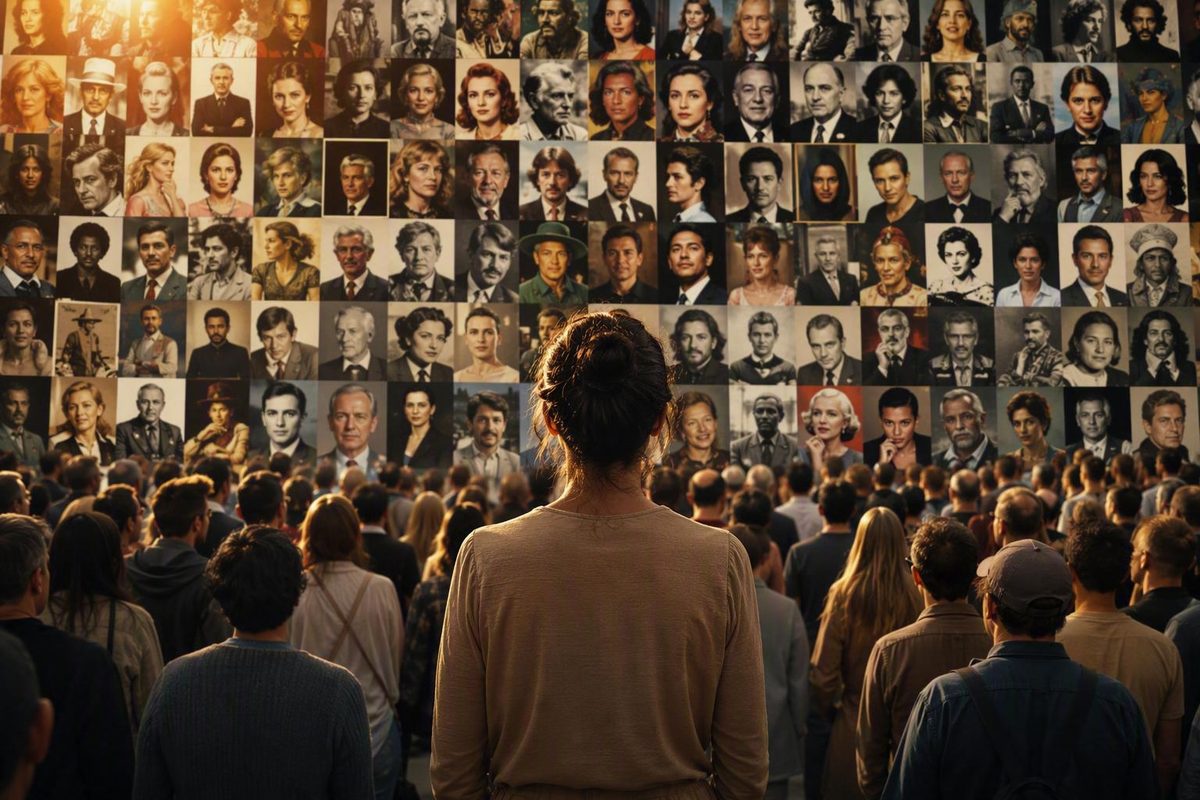
It sounds like a question with an answer. It’s actually four questions wearing one coat, and each metric crowns somebody different. Here is how the counting methods disagree — and which name wins under each.
Metric 1: global recognition
If “most famous” means the largest share of living humans would recognize the name or face, the shortlist is short: heads of the world’s biggest religions and a handful of figures taught in schools on every continent. Historical figures dominate here — Jesus, Muhammad, Buddha — because centuries of institutional transmission beat any media cycle. Among the living, footballers and popes travel furthest: soccer is the only sport with genuinely global reach, which is why Cristiano Ronaldo and Lionel Messi routinely top “most recognized living person” discussions alongside whoever currently occupies the US presidency.
Metric 2: attention right now
Search volume and news mentions measure something else: not how many people know you, but how many are actively looking. This crown changes hands weekly — an election, a scandal, an album drop. US presidents sit near the top almost permanently; pop stars spike above them for days at a time. Attention-fame is the most volatile kind, and the least correlated with lasting recognition: plenty of a given year’s most-searched names would draw blanks five years later.
Metric 3: follower counts
Social-media following looks like a clean number but measures platform demographics as much as fame. The all-time follower leaders — Ronaldo, Messi, Selena Gomez, The Rock — reflect who’s famous among people who use those platforms, which skews young and skews away from several of the world’s most populous media markets. A billion people know a name that has zero followers attached to it; your grandmother is not following anyone.
Metric 4: what people actually produce from memory
The metric this site cares about: when someone is given a ticking clock and asked to name famous people cold, who comes out first, most often? Recall-fame is different from recognition-fame — it favors names that are short, phonetically easy, heavily repeated, and attached to a single vivid identity. In practice the same handful surface constantly: Einstein (the default “genius”), Elvis, Michael Jackson, Beyoncé, whoever is currently president, and the biggest movie star of the player’s formative decade. Historical religious figures — dominant under metric 1 — appear surprisingly rarely under time pressure, because people pattern-match “famous person” to “celebrity” when rushing.
That last wrinkle is the interesting one: your clock-pressured brain has its own definition of famous, and it isn’t the encyclopedia’s. It’s whatever your memory keeps closest — recency, repetition, and personal relevance wearing fame’s costume.
So who wins?
- Most recognized, ever: a religious founder — Jesus and Muhammad are the standard answers, unrankable against each other with any honesty.
- Most recognized, alive: a global footballer or the sitting US president.
- Most attention this week: check the trending page; it changed while you read this.
- Most recalled under a clock: Einstein and the pop royalty of your teens.
There’s no contradiction — fame just isn’t one quantity. Which one your own brain runs on is an empirical question, and it takes thirty seconds to find out.